

A  delicious idea


Welcome To Atimádar
Discover Ati Madar Farda Welcome to the digital home of Ati Madar Farda , where innovation meets purpose. As a technology-driven pioneer, we specialize in redefining wellness through Japanese-inspired health foods and cutting-edge nutritional solutions. Explore how we blend science, tradition, and sustainability to create products that elevate lives and inspire healthier futures.
Always
fresh
Local
recipes
Cheerful
staff

Cold
drinks

Few facts about us
Ati Madar Farda, a forward-thinking technology-driven company, is proud to introduce its latest venture: crafting premium Japanese-inspired health foods. By seamlessly blending innovation with nutritional excellence, we aim to redefine wellness through cutting-edge culinary solutions that prioritize both quality and well-being.
Lots of happy customers
Always top ratings
Our story
HALESTA Miso Paste is the first Iranian product born from this thousand-year-old Japanese heritage, crafted by blending traditional fermentation knowledge with a passion for Eastern-Iranian culture. Made with organic soy, Iranian spring water, sea salt, and koji fungus, it is fermented for months in special containers to transform into a powerhouse of probiotics, vitamins, and Omega-3. Halesta Miso is not merely a food but a bridge between the ancient cultures of Japan and Iran, bringing the authentic flavor of wellness to Iranian homes. ✨ Halesta Iranian Miso Pasteـ Eastern authenticity, the fifth taste (umami)!* Now in your hands. HALESTA MISO 🙏
#goodfood
#bonappetit
#healthydiet
#happylife
#fitness
#recipes

From Japan to Iran! Fermentation technology The enchanting breeze of tales from Fuji to Alborz, From the Iranian mother’s *ghormeh sabzi*, with its unforgettable flavor, To the silken sushi, essence of the sea— Foods crafted with love, and the cook’s own devotion! Kyoto’s green tea, Lahijan’s black brew, Sipped slowly, easing weariness from the body. Ancient secrets passed through generations, Koji and saffron—flavors steeped in memory, From miso’s ferment to saffron’s golden glow. **Here**, an Iranian grandmother’s hands, weaving tales of tenderness, **There**, descendants of silent samurai, steaming rice with care. From Iran’s high plains to Japan’s island chains, one truth remains: **Love and reverence for traditions!** ✨ *Halsta Miso*—from Fuji to Alborz


About the art of fermentation
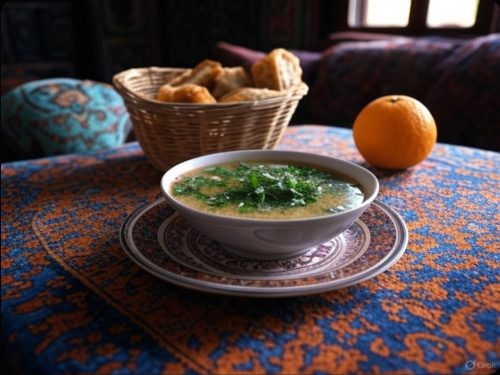
About Miso Soup 🍜
Miso soup is a traditional Japanese dish made by combining several core ingredients, renowned for its rich and distinctive flavor.
This soup typically includes:
- **Miso paste**: A fermented mixture of salted soybeans and occasionally grains like rice or barley.
- **Dashi**: A broth traditionally prepared from kombu (dried kelp) and katsuobushi (dried bonito flakes), though variations may use other ingredients like dried fish or mushrooms.
- Additional ingredients such as wakame (seaweed), tofu, green onions, and sometimes vegetables like mushrooms or potatoes. Regional preferences or personal taste may also lead to additions such as meat.
Types of Miso:
- White Miso (Shiro Miso): Mild, slightly sweet, and ideal for light soups.
- **Red Miso (Aka Miso)**: Robust, salty, and deeply flavorful.
- Mixed Miso (Awase Miso): A blend of white and red miso, offering balanced complexity.
Beyond its savory taste, miso soup is valued for its health benefits. The fermented miso provides probiotics, protein, and antioxidants, supporting digestion and overall wellness. In Japan, it is commonly enjoyed as part of breakfast or alongside other meals.
This refined version corrects terminology (e.g., "soy cheese" → tofu, clarifies dashi ingredients), enhances flow, and ensures accurate cultural context.
 Pu-erh Tea:
☕🧧
A Timeless Chinese Treasure
Pu-erh tea, a revered Chinese tea with ancient origins, holds a distinguished place in the history and culture of tea craftsmanship. Made from the leaves of the *Camellia sinensis* plant, it stands out globally for its unique microbial fermentation process and traditional production methods.
---
Types of Pu-erh Tea
1. Raw Pu-erh (Sheng Cha)
Naturally fermented and aged slowly over decades, raw pu-erh develops a bold, earthy flavor and evolves in complexity as it matures.
2. Ripe Pu-erh (Shou Cha)
Invented in the 1970s, this variety undergoes an accelerated fermentation process. The result is a smooth, mellow brew with a deep, dark color and rich, earthy notes.
---
Fermentation Process
After sun-drying and compressing the leaves, microbial activity (including fungi like *Aspergillus*) triggers enzymatic and chemical transformations. Unlike black tea, which is fully oxidized, pu-erh’s fermentation is carefully controlled over years or even decades, enhancing its depth and character.
-Cultural & Historical Roots
Originating in China’s Yunnan Province pu-erh has been traded for centuries along the **Ancient Tea Horse Road**, a historic network connecting tea producers to Tibet and beyond. Like fine wine, pu-erh gains both financial value and flavor complexity with age, making aged cakes highly prized by collectors.
---
Consumption & Storage
- Traditionally pressed into **cakes, bricks, or discs** for aging and ease of transport.
- Store in a **well-ventilated, humidity-controlled environment** away from strong odors to preserve its quality.
---
Flavor, Color & Aroma
Taste: Ranges from fresh, floral, and slightly astringent (young raw pu-erh) to woody, earthy, or fruity (aged varieties).
-Color: Evolves from golden amber (young) to deep reddish-brown (aged).
-Aroma: Notes of damp earth, leather, dried fruit, or forest floor, depending on aging and processing.
---
Pu-erh tea is more than a beverage—it’s a living testament to China’s tea heritage, offering a sip of history in every cup.[/caption]

Fermented Foods of the World: Healthy, Delicious, and Nutrient-Rich
Fermented foods are celebrated not only for their unique flavors but also for their health benefits, cherished across cultures for centuries. From digestion-aiding probiotics to distinctive tastes, these culinary treasures are definitely worth exploring. Below, we introduce some of the best fermented foods you can easily make at home.
---
1. Korean Spicy Kimchi (10)
Kimchi, a iconic Korean dish, is a fiery blend of fermented napa cabbage, red chili flakes, garlic, ginger, and spices. Its bold, tangy flavor and probiotic-rich profile make it a powerhouse for gut health and immunity. Enjoy it as a side dish with rice, in soups, or even as a zesty topping for sandwiches.
---
2. German Sauerkraut (20)
Sauerkraut, a classic German staple, is made by fermenting finely shredded cabbage with salt. After weeks of fermentation, it develops a crisp texture and pleasantly sour taste. This simple dish pairs perfectly with sausages, sandwiches, or grilled meats. Plus, its minimal ingredients—cabbage and salt—are easy to source anywhere, including Iran.
---
3. Indonesian Tempeh (20)
Tempeh, a traditional Indonesian protein, is crafted from fermented soybeans pressed into a dense, nutty cake. Its firm texture and mild flavor make it versatile for frying, grilling, or adding to stews. Rich in probiotics and plant-based protein, it harmonizes beautifully with Iranian spices like turmeric and cumin.
---
4. Homemade Yogurt (20)
While store-bought yogurt is common, homemade versions using fresh milk offer a creamier texture and richer probiotic content. Customize it with fruits, honey, or nuts for a wholesome snack. It’s the simplest fermented food to prepare and a daily staple for boosting digestive health.
---
5. Sourdough Bread (50)
Sourdough bread is crafted with a naturally fermented "starter" instead of commercial yeast. The result is a tangy, airy loaf with a chewy crust and signature holes. Easier to digest than regular bread, baking sourdough is a rewarding kitchen experiment that fills your home with the irresistible aroma of freshly baked bread.
---
Explore these global fermented delights to enhance both your meals and well-being!

Non-Alcoholic Fermented Drinks: Wellness in Every Sip
🍺
Fermented beverages have been cherished across global cultures for centuries, and today, their health benefits and diverse flavors are gaining popularity in Iran. Bursting with probiotics, vitamins, and enzymes, these drinks are not only refreshing but also nourishing—all while containing little to no alcohol (typically under 1%). Let’s explore some of the most enticing options you can enjoy guilt-free!
---
1. Kombucha: The Effervescent Elixir
Kombucha is crafted by fermenting sweetened tea with a symbiotic culture of bacteria and yeast (SCOBY). The result? A tangy, lightly fizzy drink packed with gut-friendly probiotics. While traditional kombucha contains trace alcohol (usually below 0.5%), many commercial versions are alcohol-free. Customize its flavor with fresh fruit, herbs, or ginger for a personalized twist.
---
2. Water Kefir: Light & Revitalizing
This bubbly, mildly sweet drink is made by fermenting sugar water with kefir grains** (a mix of bacteria and yeast). Water kefir is naturally alcohol-free, low in sugar, and rich in probiotics. Its delicate effervescence and subtle fruity notes make it an ideal choice for boosting immunity or simply staying hydrated.
---
3. Kvass: A Taste of Tradition
Originating in Eastern Europe (think Russia or Ukraine), kvass is a fermented beverage traditionally made from rye bread. Its lightly sour, malty flavor evokes nostalgia, and its alcohol content rarely exceeds 1%. Modern versions often incorporate fruits like beets or berries for added sweetness. Best of all, it’s inexpensive and easy to brew at home!
Why Choose Fermented Drinks?
-Gut Health: Probiotics support digestion and strengthen the immune system.
-Natural Refreshment: A flavorful alternative to sugary sodas or artificial drinks.
Cultural Heritage:Each sip connects you to centuries-old traditions.
---
Tips for Enjoyment
-Storage: Keep refrigerated to slow fermentation and maintain flavor.
DIY Friendly:Most recipes require minimal ingredients and equipment.
-Experiment:Mix in fruits, spices, or herbs to create unique flavor profiles.
---
From kombucha’s zesty kick to kvass’s rustic charm, non-alcoholic fermented drinks offer a delicious way to nurture your body and explore global traditions—one sip at a time! 🍵✨

Visit us for some extras
هالستا میسو
Organic and nutritious
Japanese sauces


Miso Paste

the words of elders

Louis Pasteur

Justus von Liebig

Ibn Sina

Élie Metchnikoff

Hippocrates

Rhazes

